Insurance Agent Background Check & License Guide
An insurance agent background check is an important part of producer licensing and insurance compliance in the United States insurance industry. Insurance agencies, carriers, and MGAs often review an agent’s licensing records, appointment history, renewal timelines, and compliance standing before allowing them to sell insurance products.Many people think a background check only involves employment history or identity verification. In insurance operations, however, the process often includes much more. Insurance organizations must confirm that a producer meets state licensing requirements, maintains active appointments, and stays compliant with regulatory standards. Since insurance regulations vary by state, agencies operating in multi-state environments often face additional complexity.
What Is an Insurance Agent Background Check?
An insurance agent background check refers to the review process used to verify whether a producer is legally eligible to conduct insurance business. Insurance carriers and agencies must ensure that producers hold valid licenses and remain compliant with state requirements.
This process may involve checking:
- Insurance license status
- Carrier appointment records
- Continuing education completion
- State compliance requirements
- Renewal history
- Regulatory standing
Insurance compliance means following legal and regulatory obligations established by state insurance departments. When licensing information becomes outdated or appointments are inactive, organizations may face unnecessary compliance risk.In regulated environments, many insurance organizations rely on centralized systems to improve producer management and maintain accurate records.
Why Insurance Agencies and Carriers Verify Licensing
Insurance carriers must verify that agents are authorized to represent insurance products. A producer with an expired license or inactive appointment may not be eligible to sell policies in certain states.
Compliance teams often face challenges such as:
Expired Licenses
Producers who miss renewal deadlines may temporarily lose authorization.
Missing Appointments
Carrier appointment tracking helps ensure agents are approved to represent products.
State-Specific Rules
Different states maintain different licensing and continuing education requirements.
Compliance Risk
Outdated producer information may create administrative and regulatory challenges.
Insurance agencies operating across multiple jurisdictions often need stronger compliance oversight because manual tracking becomes difficult as producer networks grow.
How License Renewals Affect Insurance Agent Background Checks
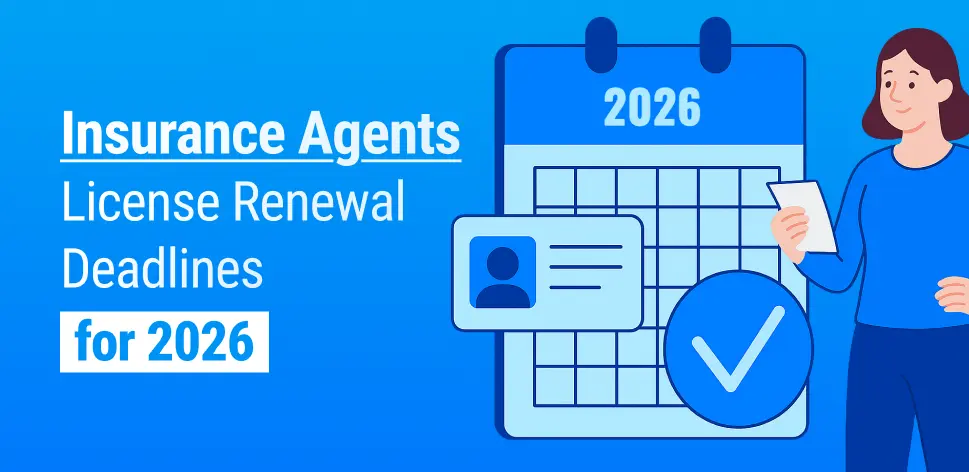
A key part of an insurance agent background check is understanding whether a producer’s license remains active. Insurance licenses are not permanent and generally require periodic renewal.
Many states require producers to renew licenses every two years, although timelines vary depending on the jurisdiction and license type. Continuing education is also commonly required before renewal approval.
Insurance organizations must regularly monitor:
- License expiration dates
- Renewal deadlines by state
- Continuing education completion
- Appointment tracking updates
- Producer licensing changes
Failing to monitor renewals may result in compliance gaps, delays in onboarding, or interruptions in selling authority.
Why Insurance Automation Is Becoming Essential
In modern insurance operations, compliance teams often manage large producer networks. Tracking licensing and appointments manually can increase administrative burden and create avoidable risks.
Many insurance organizations now use insurance compliance software to improve:
- Producer licensing management
- License tracking systems
- Carrier appointment tracking
- Compliance reporting
- Renewal monitoring
- Producer management workflows
Insurance automation helps organizations maintain visibility into producer records and reduce missed deadlines.
An insurance compliance platform like Agenzee supports agencies, insurance carriers, and MGAs by centralizing licensing oversight and appointment tracking in regulated environments.

Best Practices for Insurance Compliance
Many insurance organizations recommend following a structured process:
- Verify producer licensing before onboarding
- Review carrier appointments regularly
- Track state renewal requirements
- Monitor continuing education completion
- Maintain centralized compliance records
Modern insurance systems increasingly rely on automation because compliance requirements continue evolving.
Conclusion
An insurance agent background check supports more than hiring decisions. It helps agencies and carriers verify licensing eligibility, monitor renewals, and improve insurance compliance. As the insurance industry continues evolving, organizations increasingly depend on insurance automation and compliance software to simplify producer management and reduce compliance risk.


Comments
Post a Comment