Insurance Compliance Risk and Growth Strategy Insights
- Get link
- X
- Other Apps
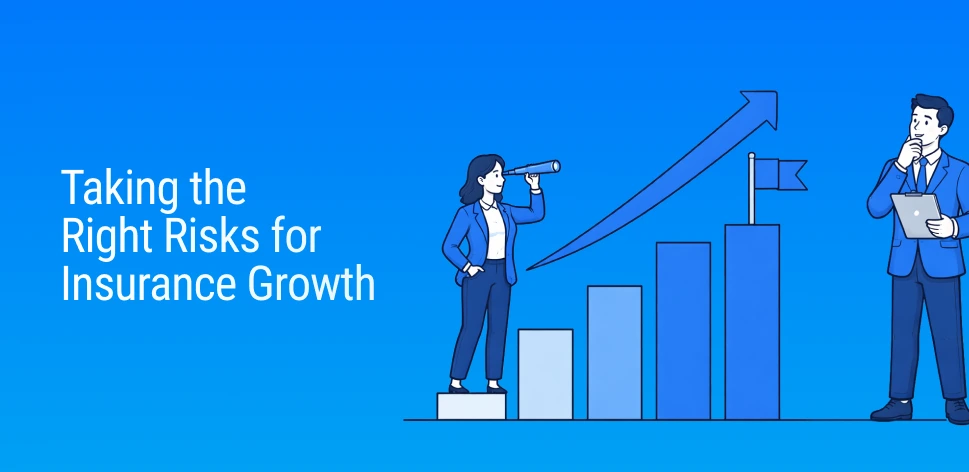
In the insurance industry, growth is closely tied to how effectively organizations manage regulatory compliance and operational risk. Insurance agencies, MGAs, and carriers in the United States must operate within structured state regulations that govern licensing, appointments, and producer activity.As insurance operations expand, every new producer, carrier relationship, or market entry introduces compliance obligations. This makes risk management an essential part of growth planning rather than a secondary consideration.Modern insurance organizations must ensure that expansion decisions are supported by accurate licensing data, appointment tracking, and regulatory alignment across multiple states.
Understanding Risk in Insurance Expansion
Risk in insurance operations extends beyond financial exposure. It also includes regulatory risk, operational inefficiencies, and licensing gaps that can impact business continuity.Industry regulations define compliance risk as any gap between required legal standards and actual operational execution. For example, onboarding a producer without verifying licensing status can create violations across multiple jurisdictions.Insurance organizations must evaluate whether growth initiatives introduce unmanaged regulatory exposure. Without structured oversight, scaling operations can quickly lead to compliance breakdowns.
Why Producer Licensing Is Central to Compliance Systems
Producer licensing is a foundational requirement in regulated insurance markets. Every insurance producer must be licensed in the states where they operate.A licensed producer is often assigned a producer code, which serves as a unique identifier used across carrier systems. This code supports tracking for commissions, appointments, and compliance records.Regulatory systems such as NIPR (National Insurance Producer Registry) are widely used to verify licensing status across states. Insurance carriers rely on these systems to ensure producers are active and properly authorized.When licensing data is incomplete or outdated, onboarding delays occur, directly affecting growth speed and operational efficiency.
Carrier Appointment Tracking and Compliance Gaps
Carrier appointments define the official authorization between a producer and an insurance carrier. Without proper appointment tracking, producers may operate outside approved regulatory boundaries.Insurance carriers are required to maintain accurate appointment records under state regulations. However, in large-scale insurance operations, appointment data often becomes fragmented across systems.
Common compliance issues include:
- Expired carrier appointments
- Missing state approvals
- Incorrect producer-carrier mapping
- Delayed termination updates
These gaps create operational risks and can lead to regulatory audits or penalties if not addressed.In multi-state insurance environments, even small inconsistencies can scale into significant compliance problems.

How Automation Improves Insurance Compliance Operations
As insurance organizations scale, manual tracking of licensing and appointments becomes inefficient and error-prone. Many carriers and agencies now rely on insurance automation platforms to manage compliance workflows.
Modern systems typically support:
- Real-time producer licensing verification
- Automated carrier appointment tracking
- Producer code management and synchronization
- Renewal monitoring and alerts
- Centralized compliance reporting
Platforms like Agenzee, an insurance compliance software and producer licensing management system, help unify these functions. Agenzee acts as an insurance automation platform designed for license tracking, appointment tracking, and producer management across multi-state operations.Industry practices show that automation reduces manual errors and improves regulatory visibility across insurance organizations.
Building a Scalable Compliance Framework
A scalable insurance compliance structure requires integration between licensing, appointments, and operational systems.
Typical workflow steps include:
- Verify producer license across state systems
- Validate carrier appointment eligibility
- Assign or update producer code
- Synchronize compliance data across platforms
- Monitor renewals and regulatory changes
This structured approach ensures compliance is embedded into operations rather than managed as a separate function.Insurance organizations must maintain continuous alignment between regulatory requirements and business expansion strategies.
Evaluating Growth Through Compliance Readiness
Insurance leaders evaluate growth not only based on market opportunity but also compliance readiness. Key indicators include:
- Accuracy of producer licensing data
- Visibility into carrier appointment status
- Synchronization of producer codes
- Real-time compliance monitoring capability
These factors determine whether an organization can safely scale across multiple states.
Internal frameworks such as a producer code management guide help organizations understand how structured compliance improves operational scalability.
Conclusion
Insurance growth is deeply dependent on compliance strength. Producer licensing, carrier appointment tracking, and automation systems form the backbone of scalable insurance operations in regulated environments.Without structured compliance systems, expansion can lead to operational inefficiencies and regulatory exposure.Organizations that invest in centralized insurance compliance platforms are better positioned to manage risk while achieving sustainable growth across multi-state insurance markets.Platforms like Agenzee support this transformation by integrating licensing, appointments, and producer management into a unified insurance automation ecosystem.
- Get link
- X
- Other Apps


Comments
Post a Comment